The Role of Commercial Property Appraisers in St. Thomas Ontario Real Estate Transactions
Commercial real estate deals rarely fail because someone forgot the paint colour or argued over a parking stall. They stall, or fall apart, when the parties involved cannot agree on value. That is where a credible appraisal becomes more than a formality. In St. Thomas, Ontario, where the market includes everything from small owner-occupied buildings on Talbot Street to industrial sites tied to regional growth, commercial property appraisers often sit quietly in the background while the transaction turns around them.
Their role is not glamorous, but it is decisive. Buyers rely on them to avoid overpaying. Lenders use them to protect loan security. Sellers need them when they want a realistic asking strategy instead of a number based on optimism or a neighbour’s story. Lawyers, accountants, estate trustees, and business owners all touch the valuation process at some point. When the appraisal is sound, a transaction has a better chance of moving with fewer surprises. When it is weak, delayed, or poorly scoped, the whole deal can become expensive in a hurry.
That matters in a market like St. Thomas. It is large enough to support a varied commercial inventory, yet small enough that local conditions can materially affect value. A national template does not always fit. A commercial plaza with stable local tenants, a redevelopment parcel near a growth corridor, and a mixed-use building with legacy leases can all require very different analysis. This is why experienced commercial property appraisers in St. Thomas Ontario bring more than a spreadsheet. They bring judgment.
What a commercial appraiser actually does
People often assume an appraisal is simply an opinion supported by recent sales. In residential work, that perception can sometimes survive. In commercial real estate, it usually does not. The appraiser has to investigate the asset itself, the income it generates or could generate, the market that surrounds it, and the legal and physical constraints that affect use.
A proper commercial building appraisal in St. Thomas Ontario begins with the property’s identity and rights. The appraiser reviews ownership details, legal description, zoning, official plan context where relevant, site size, access, servicing, environmental issues if known, and the physical characteristics of the improvements. If the property is leased, rent rolls and lease abstracts matter. If it is vacant, the question shifts toward market rent, absorption, fit-up costs, and the time required to stabilize occupancy.
That process is more investigative than many clients expect. I have seen owners confidently describe a site as “fully usable” only for a valuation inspection to reveal drainage issues, irregular access, or surplus land that was not actually independently developable. I have also seen buyers dismiss older industrial buildings as obsolete, only to learn that the power supply, clear height, loading configuration, and replacement cost gave the asset more utility than a casual walk-through suggested.
Commercial building appraisers in St. Thomas Ontario do not create value, but they do identify where it really comes from. Sometimes the value lies in stable income. Sometimes it lies in location and future development potential. Sometimes it lies in the fact that a building would cost far more to replace than the market price implies. Those distinctions are not academic. They shape financing, negotiations, and risk.
Why appraisals carry so much weight in financing
Lenders are among the most consistent users of commercial appraisal reports, and for good reason. A bank is not underwriting the borrower’s confidence. It is underwriting the real estate as security. Even if the borrower has a strong balance sheet, the lender still needs an independent estimate of market value to determine loan-to-value ratio, debt coverage feasibility, and exposure in a downside scenario.
In St. Thomas, this becomes especially important when a property has a limited pool of comparable sales. A suburban office property in a major city may have enough recent transactions to support a neat comparison set. A specialized industrial building, automotive-related facility, or older downtown mixed-use asset in a smaller market may not. The appraiser has to widen the lens, adjust carefully, and explain the reasoning in a way that satisfies institutional scrutiny.
A strong report also helps answer a question lenders ask constantly: not just what is this property worth today, but who would buy it if the lender had to sell it? Marketability influences lending appetite. So does tenancy. A building leased to a long-standing local business on below-market terms presents a different risk profile than one with strong covenant tenants and staggered lease expiries. The appraiser’s analysis helps the lender understand that distinction.
This is one reason commercial property assessment in St. Thomas Ontario can affect the pace of a closing. If the lender receives a report that flags environmental concerns, deferred maintenance, unusual vacancy risk, or zoning non-conformity, the underwriting team may require follow-up reports, holdbacks, or revised terms. Buyers who budget only for the purchase price often underestimate how much the appraisal can reshape their capital stack.
The difference between price and value
Real estate practitioners say this often, but it remains true because people keep proving it. Price is what someone agrees to pay. Value is what the market evidence supports under defined conditions. In a smooth market with broad exposure and rational actors, the two can line up nicely. In many commercial transactions, they do not.
A seller may anchor to a number based on a recent residential-style bidding environment, even though commercial purchasers are more disciplined and financing is more sensitive to income. A buyer may justify a premium because of strategic fit with an adjacent holding. A related-party transfer may occur at a price that reflects family or business considerations rather than open market behaviour. An appraiser has to step back from the story and test the evidence.
This can be uncomfortable. I have watched deals go quiet after an appraisal came in below the accepted price. The disappointment is real, especially when time and legal costs are already invested. Yet a lower-than-expected value is not always a deal killer. Sometimes it becomes a negotiating tool. Sometimes it leads to a larger down payment. Sometimes it prompts the buyer to revisit assumptions about rent growth, vacancy, or renovation costs. The important point is that the appraisal introduces discipline before the mistake becomes permanent.
Methods appraisers use, and why the choice matters
Commercial appraisers generally rely on recognized valuation approaches, but the weight given to each approach depends on the property type and the purpose of the assignment. That judgment call is central to credible work.
For income-producing properties, the income approach often carries the most weight. The appraiser estimates market rent, vacancy allowance, operating expenses, and net operating income, then applies either a direct capitalization rate or a discounted cash flow model where appropriate. On a small retail strip in St. Thomas, that might mean testing local lease rates, reviewing tenant quality, and assessing whether current https://exmarketing.gumroad.com/ rents are in line with the market. On a more complex asset, the appraiser may need to model lease rollover, inducements, and capital expenditures over several years.
The sales comparison approach remains essential, but it is rarely as simple as finding three “similar” buildings. Commercial properties differ in tenancy, site utility, zoning flexibility, loading, age, quality of improvements, and redevelopment potential. A comparable sale from London, Ontario, may be relevant to St. Thomas only with careful adjustment and explanation. Local nuance matters, but so does broader regional context when local sales are scarce.
The cost approach can also be useful, especially for newer or special-purpose buildings, or where land value and depreciated replacement cost offer a reality check. It becomes particularly relevant when the improvements are not easily compared in the open market. That said, cost does not automatically equal value. Functional obsolescence and external market conditions can reduce what buyers will actually pay.
Commercial land appraisers in St. Thomas Ontario often face another layer of complexity. Land is simple to look at and difficult to value properly. Is the highest and best use immediate development, interim holding, owner-occupancy, subdivision potential, or assemblage? Does servicing support the assumed use? Is the depth or frontage limiting? Are there setbacks, easements, or environmental constraints? A land appraisal that ignores those questions is little more than guesswork dressed in professional language.
St. Thomas market realities that affect valuation
St. Thomas is not a generic dot on a valuation map. It has its own mix of downtown assets, highway-oriented commercial uses, industrial growth influences, and redevelopment opportunities. The city’s position relative to London, its transportation links, and its evolving employment base all influence demand. So do practical things such as building age, parking, access, and the type of tenant base the property can realistically attract.
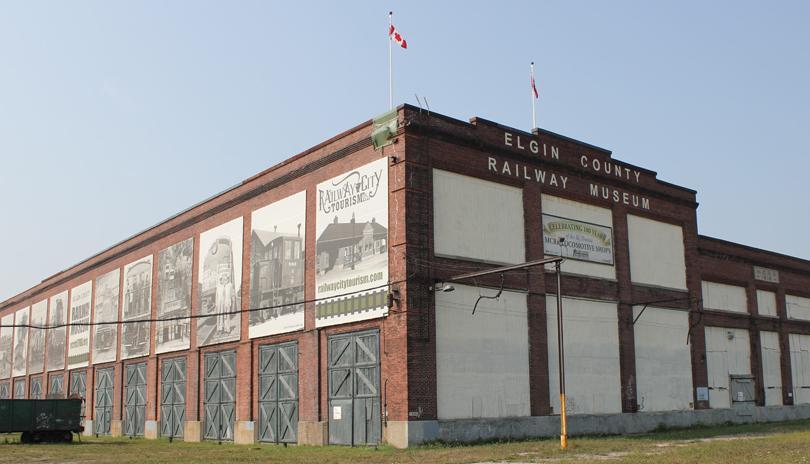
A local appraiser, or at least one with strong regional experience, tends to spot the issues that outsiders can miss. For example, a building with seemingly average retail frontage may perform better than expected because of established traffic patterns and stable neighbourhood demand. Another property may look attractive on paper but face soft leasing demand because the layout no longer suits current users. In some corridors, industrial or service-commercial uses can draw stronger attention than office-oriented uses, even when the building envelope appears versatile.
This is where market knowledge becomes more than a line in a proposal. Commercial property appraisers in St. Thomas Ontario need to understand what local buyers and tenants actually care about. They need to know which sales were clean, which were distressed, which reflected owner-user motivations, and which had unusual financing or business components wrapped into the deal. Raw data is only the starting point.
How appraisers help buyers make better decisions
Sophisticated buyers do not order appraisals merely because the bank requires them. They use the process to pressure-test a business plan. If a purchaser intends to renovate a dated building and increase rents, the appraisal can help assess whether the post-renovation assumptions are plausible. If the deal depends on filling vacancy quickly, the appraiser’s market rent and absorption analysis can reveal whether that expectation is grounded.
I once saw a purchaser target a small commercial building because the asking price looked low relative to the apparent square footage. The appraisal process uncovered several issues at once: a portion of the basement area had limited contributory value, one tenant was on a short-term arrangement at above-market rent, and parking was constrained in a way that narrowed future tenant demand. None of these issues made the property worthless. They simply changed the margin for error. The buyer negotiated a meaningful reduction and reworked the financing plan. That is a good outcome, even if it does not make for a dramatic story.
Appraisers also help buyers avoid false confidence tied to replacement cost. Commercial investors sometimes reason that a property must be worth a certain amount because rebuilding it would cost more. The market does not always reward that logic. If tenant demand is weak, configuration is outdated, or location is secondary, the income stream may not support a price that tracks replacement cost. A disciplined appraisal exposes that gap.
Why sellers benefit from appraisal work too
Sellers sometimes resist appraisal scrutiny because they fear it will only weaken their position. In practice, an early valuation can save a seller months of wasted marketing and a painful price correction later. If a building is likely to trade based on income, then the seller should know whether lease rates, expenses, or vacancy assumptions are dragging value down before entering the market. If the asset has redevelopment potential, the seller should understand what that potential is worth and what limitations buyers will discount for.
A pre-listing commercial building appraisal in St. Thomas Ontario can also help with strategy. Should the owner complete repairs before selling, or leave the building as is and price accordingly? Is it better to renew a tenant now, even at a slightly lower rate, to improve financing appeal for the next buyer? Would severing surplus land increase total proceeds, or would it reduce utility and depress the value of the improved parcel? These are valuation questions as much as brokerage questions.
The same holds true in non-arm’s-length situations. Estate transfers, shareholder disputes, tax planning, partnership buyouts, and expropriation-related matters all require defensible valuation. In those contexts, the appraiser is not there to support a preferred narrative. The appraiser is there to provide an independent analysis that can withstand review.
Common friction points during the appraisal process
Many appraisal delays come from missing or inconsistent information. Commercial properties generate documents, and those documents do not always agree with each other. Lease terms differ from rent rolls. Expense statements mix capital items with operating costs. Floor areas from old marketing materials do not match what is on survey or plans. Zoning assumptions drift away from what is actually permitted.
The fastest way to improve the process is to gather the basics early. Most appraisers will want some version of the following:
- current rent roll and copies of leases
- recent operating statements and tax information
- survey, site plan, or legal description if available
- details on renovations, deficiencies, and capital work
- information on pending offers, listings, or unusual conditions
That short package often prevents a week of back-and-forth. It also gives the appraiser a fair chance to understand the property’s real operating profile instead of piecing it together from fragments.
Another friction point is expectation management. Owners may hope the appraiser will “see the upside” that exists only if several things go right at once. Buyers may want a conservative value that supports aggressive negotiation. Lenders may prefer a tightly reasoned report with limited speculation. The appraiser’s job is not to satisfy whichever party is most vocal. It is to define the assignment properly, apply recognized methods, and explain the conclusion.
When commercial land needs its own analysis
Land can be the most misunderstood asset in a transaction. Owners often value it by broad comparisons such as price per acre, while buyers focus on what can realistically be built and how long it will take. The spread between those viewpoints can be wide.
Commercial land appraisers in St. Thomas Ontario spend a great deal of time on highest and best use analysis because undeveloped or underimproved land derives value from future potential, not present appearance. A well-located parcel may seem highly desirable, but servicing costs, stormwater requirements, access limitations, contamination risk, or planning restrictions can erode value quickly. The reverse can also happen. A site that looks awkward may have strategic assemblage value or zoning flexibility that raises its appeal to the right buyer.
Timing matters too. Land markets can feel strong until carrying costs, interest rates, or slower approvals expose the true risk in the hold period. A sound appraisal accounts for that risk instead of assuming a straight line from acquisition to development.
The importance of independence
A good appraisal can support a transaction. It should not be written to manufacture one. Independence is what gives the report value in the first place. If a lender, buyer, or seller senses that the appraiser is simply advocating for the party who hired them, confidence erodes immediately.
This is especially important when the appraisal becomes part of a broader dispute or regulatory file. Courts, tax authorities, and financial institutions look closely at the report’s logic, data support, scope, and consistency. A polished document with weak reasoning does not survive careful review. Experienced commercial building appraisers in St. Thomas Ontario know that every adjustment and assumption may need to be defended.
The best appraisers are often the ones who are comfortable saying no. No, that rent is not market. No, those renovation costs are not fully reflected in value. No, that comparable sale is not actually comparable. Those answers can irritate clients in the moment, but they prevent far more expensive problems later.
Choosing the right appraiser for the assignment
Not every valuation professional handles every property type with equal depth. A small owner-occupied office building, a multi-tenant retail plaza, and a development parcel each call for different experience. The right match depends on the assignment’s purpose, the property’s complexity, and the level of scrutiny the report will face.
A practical way to think about selection is to focus on a few fundamentals:
- relevant experience with the specific asset type
- knowledge of St. Thomas and surrounding market influences
- clear scope, timing, and reporting format
- independence from deal pressure
- ability to explain assumptions in plain language
That last point is easy to overlook. Commercial valuation is technical, but clients still need to understand what drives the conclusion. A useful appraiser can walk a buyer through rent comparables, capitalization assumptions, or land constraints without burying the message in jargon.
Where appraisal fits in the larger transaction
The appraisal is not a substitute for brokerage advice, legal review, environmental due diligence, building condition assessment, or accounting analysis. It works alongside all of them. In a healthy transaction process, each advisor answers a different question. The broker speaks to marketability and negotiation. The lawyer addresses title, contracts, and risk allocation. Engineers and environmental consultants test physical condition and contamination concerns. The appraiser ties value to the evidence and defines how the market is likely to interpret the property.
That integrated role is why timing matters. If the appraisal comes too late, it can force renegotiation after other work is already done. If it comes early enough, it can help shape deal terms before the parties harden their positions. On larger or more complex transactions, some buyers even use a preliminary valuation view to decide whether a full pursuit makes sense.
In St. Thomas, where the commercial market includes both straightforward owner-user deals and more nuanced investment or redevelopment plays, that discipline is worth having. Commercial property assessment in St. Thomas Ontario is not just about assigning a number to a building or parcel. It is about understanding risk, income, utility, and market behaviour in a way that helps real decisions get made.
When the right appraisal is done at the right time, it does something quietly valuable. It strips away wishful thinking, sharpens the conversation, and gives the transaction a factual centre. In commercial real estate, that often makes the difference between a deal that merely closes and one that holds up well long after the papers are signed.